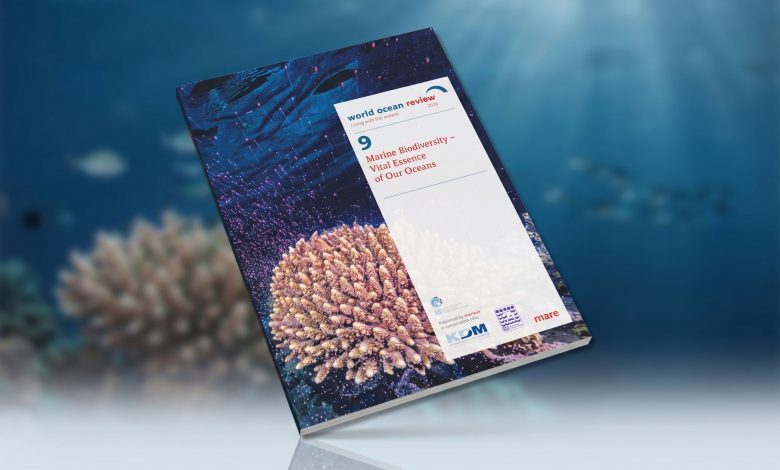
The health and biodiversity of marine ecosystems are more critical than ever for the sustainability of our planet. One of the world’s most comprehensive marine science reports, the World Ocean Review (WOR), has released its 9th edition titled “Marine Biodiversity – The Lifeblood of Our Oceans.” This new report meticulously details the current state of ocean life, the threats it faces, and the scientific prescriptions for its recovery.
The Heart of the Planet
Covering 71% of the Earth’s surface, the oceans remain the largest yet least explored habitat on our planet. WOR 9 emphasizes that species richness in the seas is not just a matter of ecological balance, but an indispensable resource for human well-being.
Key Highlights from the Report
The report outlines several critical areas of concern and discovery:
- An Unknown Treasure: A vast majority of oceanic species remain undiscovered. However, the distribution of known species is shifting rapidly due to factors such as water temperature, nutrient supply, and interspecies interactions.
- Pressure from All Sides: The footprint of human activity is visible everywhere, from Antarctic glaciers to the deepest marine trenches. Plastic pollution, noise pollution, and rising water temperatures are driving marine life into an unprecedented “downward spiral.”
- Invasive Species and Shifting Ecosystems: The introduction of non-native species is triggering diseases and the extinction of indigenous wildlife in some regions. Conversely, some ecosystems (such as the North Sea) are showing a surprising process of adaptation.
- The 2050 Goal and Hope: Rather than painting a purely pessimistic picture, the report offers a roadmap for recovery. Experts believe that if the international community takes decisive action and ensures that Marine Protected Areas (MPAs) are functionally monitored—rather than existing only on paper—marine flora and fauna can be revitalized by 2050.
A New Paradigm of Governance
Highlighting the importance of new global regulations like the UN High Seas Treaty, the report calls for a radical shift in ocean management. It stresses that the global approach must move beyond mere “protection” toward an “active restoration” focus.
World Ocean Review 9 reminds us that the oceans are not just bodies of water, but a vast, living, and breathing organism. Protecting marine biodiversity is, in essence, protecting our own future.
For further details and the full text of the report, you can visit worldoceanreview.com
Share this content:
Discover more from Feridun Demir
Subscribe to get the latest posts sent to your email.